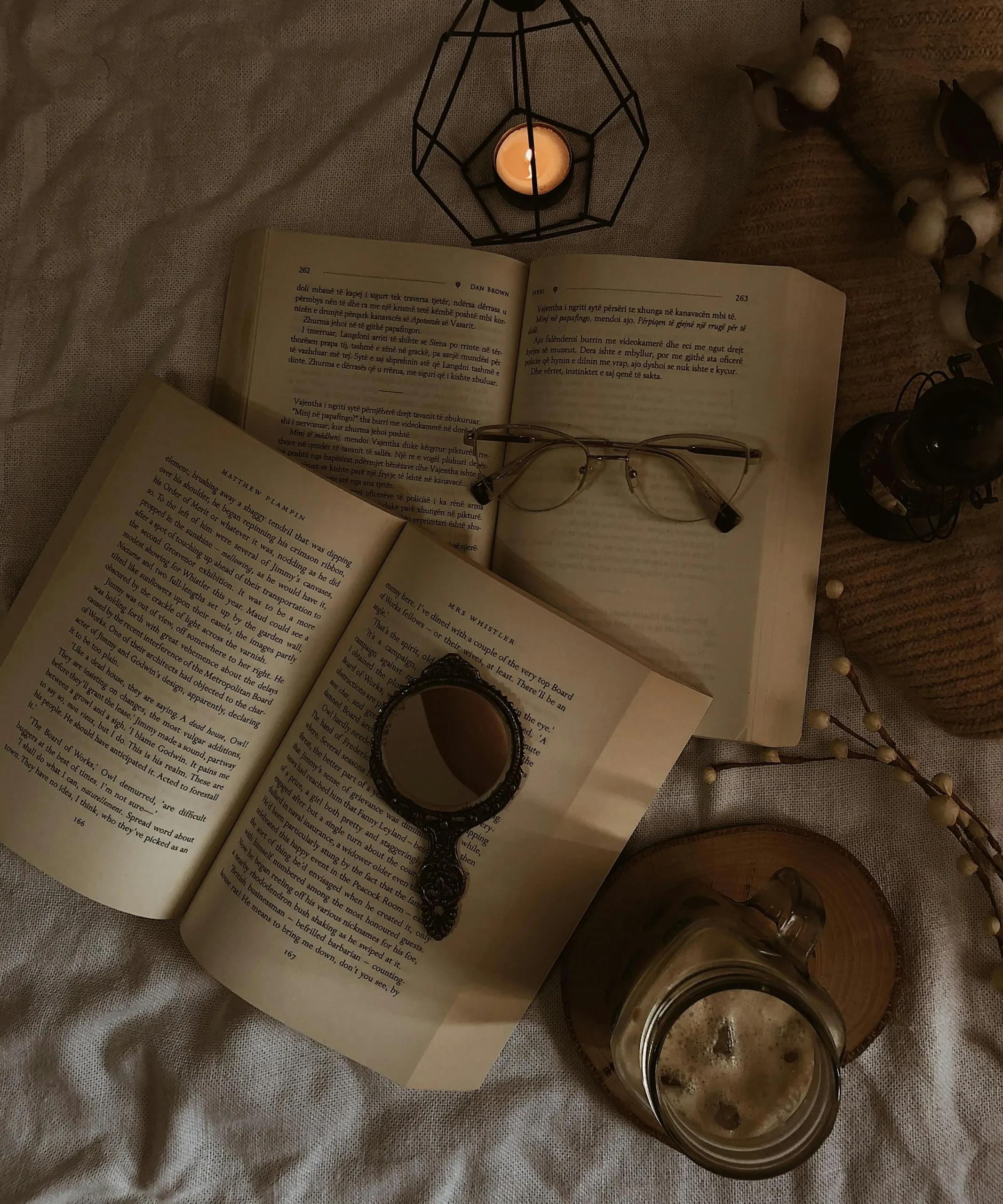


There is a magnificent kind of life that forms around books.
And no one wakes up one morning and decides to construct their entire existence around reading. It begins with a few books that pushed the imagination as a kid or gave an advice that felt like a warm hug from a friend, then gradually expands into habits, decisions, and ways of seeing the world.
Years pass.
At some point you realise that the books you encountered earlier have been boldly shaping the direction of your life.
You were introduced to perspectives that make certain paths appear more interesting than others. They shift the way you interpret ambition, success, curiosity, and even time itself.
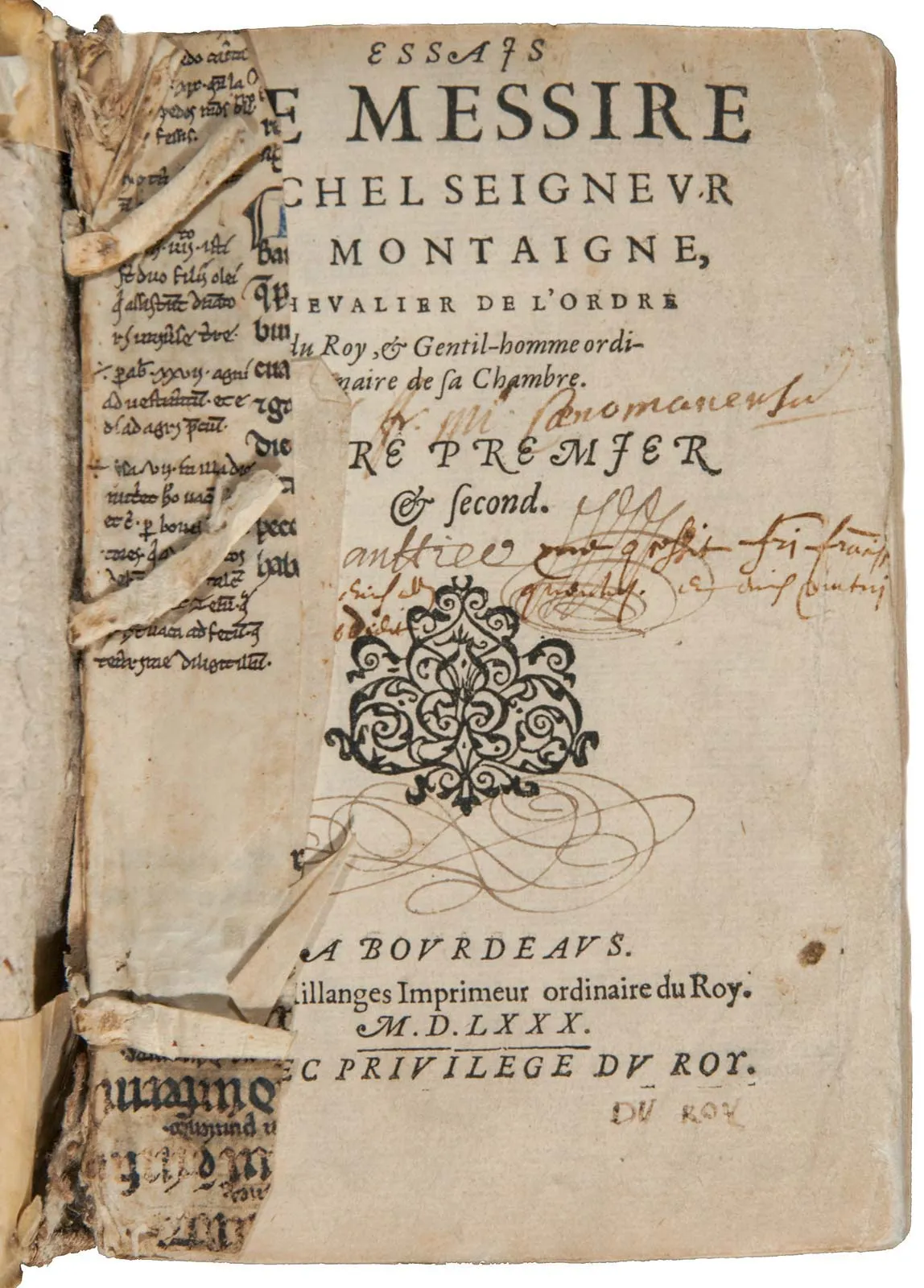
Consider someone who spends their early twenties reading writers like Montaigne. His essays do not by any means prescribe careers or life plans. They explore the art of examining one’s own thoughts with honesty and curiosity. Yet readers often discover that Montaigne leaves behind a particular intellectual habit.
You begin asking questions about your own reactions. Why did that event provoke irritation? Why does a certain ambition feel attractive? What assumptions are hiding beneath everyday opinions? The habit of reflection quietly becomes part of daily life.
Other writers influence life choices in different ways.
Reading Rebecca Solnit, for example, often changes the reader’s relationship with uncertainty. Her work explores wandering, exploration, and the strange creative potential of not knowing exactly where a path will lead.
Instead of treating uncertainty as a problem that must be eliminated quickly, the reader begins recognising that certain forms of discovery only appear when the destination remains unclear. And that’s where a new attitude toward risk develops.
Books perform this kind of influence repeatedly across a lifetime. Some change how we interpret relationships. Others affect how we approach work, solitude, creativity, or ambition. And each encounter leaves small imprints that eventually begin interacting with each other.
A passage from one writer reframes something another writer once suggested. A philosophical argument read years earlier suddenly becomes relevant to a current decision. Ideas that seemed unrelated begin forming a network inside the mind.
The reader becomes a participant in that network. This is when no longer come across as isolated experiences and feel more like companions.
A shelf filled with books is a record of intellectual encounters that continue influencing how the mind approaches the world.
Observe closely at the libraries of people who read regularly, and you will often see this pattern. Certain volumes are worn because they have been opened repeatedly during different phases of life. Marginal notes reveal earlier interpretations that the reader may now question or expand upon.
The relationship keeps evolving.
A book that once brought answers, might later provoke disagreement. Another book that initially seemed confusing may become clearer after years of lived experience. (I have plenty of these cases, but that’s for another time) …
The reader grows alongside the library. A life built around books therefore does not mean spending every hour reading, but allowing the ideas encountered in books to shaping of one’s life.
A difficult decision might bring a remembered argument from philosophy into the conversation. A moment of uncertainty may remind the reader of a historical figure who navigated similar conditions centuries earlier. The book becomes part of the mental environment where choices are made.
Over time this produces a distinctive way of moving through the world.
The reader becomes slower to accept simplistic explanations. Human behaviour is more complex because literature has exposed its contradictions. Historical awareness deepens because writers from different eras continue speaking through their work.
The mind gets overwhelmed with voices. Some challenge your assumptions. Others refine your perspective. A few become permanent companions, returning whenever needed.
From the outside this life may look ordinary. You still work, travel, meet people, make mistakes. Yet the internal landscape is richer because each experience interacts with a long conversation unfolding through books.
You don’t actually end up making a decision alone because somewhere in the background a remembered page joins the discussion.
This is the quiet architecture of a life shaped by books. Not a life of constant (or fruitless) reading.
A life where the enlightment from pages shape how the world is understood, interpreted, and navigated long after the pages have been closed.
— Nicky
Founder, clasNic Pages